
How to Choose the Right Mulch for Your Garden
Whether you’re reviving flower beds or planting a new vegetable garden, choosing the right mulch can make or break the success of your outdoor space. More than just a finishing touch, mulch is one of the most powerful tools in your gardening arsenal—it conserves moisture, suppresses weeds, adds nutrients to your soil, and enhances curb appeal.
What Is Mulch and Why Does It Matter?
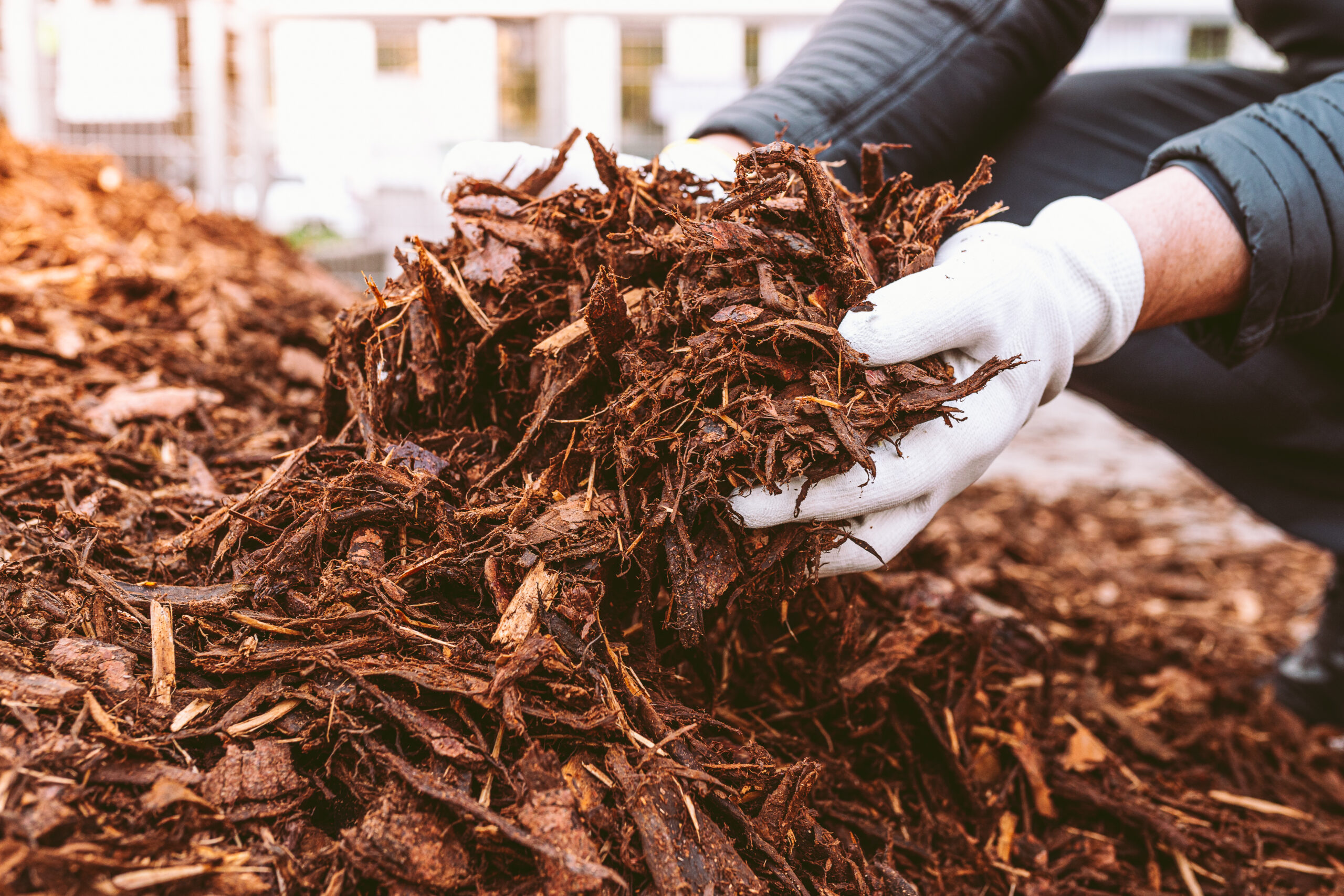
Mulch is any material spread over the surface of the soil to retain moisture, reduce erosion, suppress weeds, and regulate temperature. There are two primary categories:
- Organic mulch: Made from natural materials like bark, straw, leaves, grass clippings, and compost. These break down over time, enriching your soil.
- Inorganic mulch: Includes gravel, rubber, stones, or plastic sheeting. These don't decompose, making them ideal for areas where longevity and low maintenance are priorities.
Factors to Consider When Choosing Mulch
1. Your Plants’ Needs
Different plants thrive with different mulching materials.
- Vegetables love nutrient-rich mulches like compost, straw, or shredded leaves, which break down quickly and feed the soil.
- Succulents or cacti need dry, well-draining soil—opt for gravel or stone mulch.
- Acid-loving plants like azaleas or blueberries thrive with pine needle mulch.
Pro Tip: The wrong mulch can hold too much moisture or change soil pH, so choose based on plant type.
2. Your Climate
Climate impacts how mulch performs.
- Hot, dry climates benefit from moisture-retentive mulches like shredded bark or compost, which protect roots from heat and evaporation.
- Cold climates benefit from mulch that insulates soil, like straw or wood chips, helping perennials survive winter.
3. Decomposition Rate
Mulch lifespan matters.
- Fast-decomposing mulches like straw, grass, and compost enrich soil quickly—but need regular reapplication.
- Slow-decomposing mulches like bark and wood chips are long-lasting and low maintenance—great for paths and perennial beds.
4. Weed Suppression
Mulch is your best defense against invasive weeds.
- A thick layer of organic mulch (2–3 inches) blocks sunlight and prevents weeds from germinating.
- Inorganic mulches like plastic and rubber offer total weed control in high-maintenance areas like garden rows or commercial beds.
5. Aesthetics
Mulch affects your landscape’s visual impact.
- Bark and wood chips give a natural, rustic look.
- Colored mulch (dyed brown, red, or black) offers polished contrast in modern or formal gardens.
- Gravel and river rock bring a minimalist, structured aesthetic to pathways or xeriscaped gardens.
Match mulch color and texture to your home’s exterior and garden style.
6. Availability & Budget
Cost and access matter, too.
- Straw, leaves, and grass clippings are budget-friendly and often free.
- Gravel, rubber mulch, and cedar bark are more expensive but last much longer.
- Consider what’s locally available—buying in bulk often reduces cost.
Popular Types of Mulch and Best Use Cases
|
Mulch Type |
Best For |
Pros |
Cons |
|
Shredded Bark |
Trees, shrubs, pathways |
Long-lasting, attractive |
May tie up nitrogen |
|
Straw |
Veggie gardens |
Lightweight, improves soil |
Needs frequent replacement |
|
Compost |
Flower beds, veggies |
Nutrient-rich, improves soil |
Decomposes quickly |
|
Gravel/Rock |
Succulents, walkways |
Durable, weed-resistant |
Can heat up soil |
|
Pine Needles |
Acid-loving plants |
Lightweight, natural look |
May shift in wind |
|
Plastic Sheeting |
Commercial or row crops |
Excellent weed control |
Not eco-friendly, needs replacing |
When to Mulch & How to Apply It Right
- Spring: Apply mulch in early spring to trap moisture and suppress early weeds.
- Fall: Reapply or refresh mulch to insulate plant roots during winter.
Application Tips:
- Maintain a layer of 2–3 inches.
- Leave space around plant stems/trunks to prevent rot.
- Rake and refresh mulch seasonally to avoid compaction and promote air flow.
Final Thoughts: Mulch with Purpose
Mulching is more than just a chore—it’s a strategic move that shapes the health and beauty of your garden. The right mulch improves your soil, protects your plants, and elevates your landscape’s appearance.
Whether you’re growing tomatoes, designing a low-maintenance front yard, or protecting ornamental beds from the summer sun, there’s a mulch for every need—and we’re here to help you find it.