
Spring Landscape Revival: 7 Expert Tips from Roberts Nursery & Landscaping
As winter’s chill retreats and Mukwonago’s gardens awaken, spring is the perfect time to breathe new life into your outdoor spaces. At Roberts Nursery & Landscaping, we’ve spent over two decades designing, installing, and caring for Southeast Wisconsin landscapes. In this full-length guide, our landscape professionals share seven powerful, actionable tips to help you transform your yard this spring—boosting curb appeal, plant health, and year-round enjoyment.
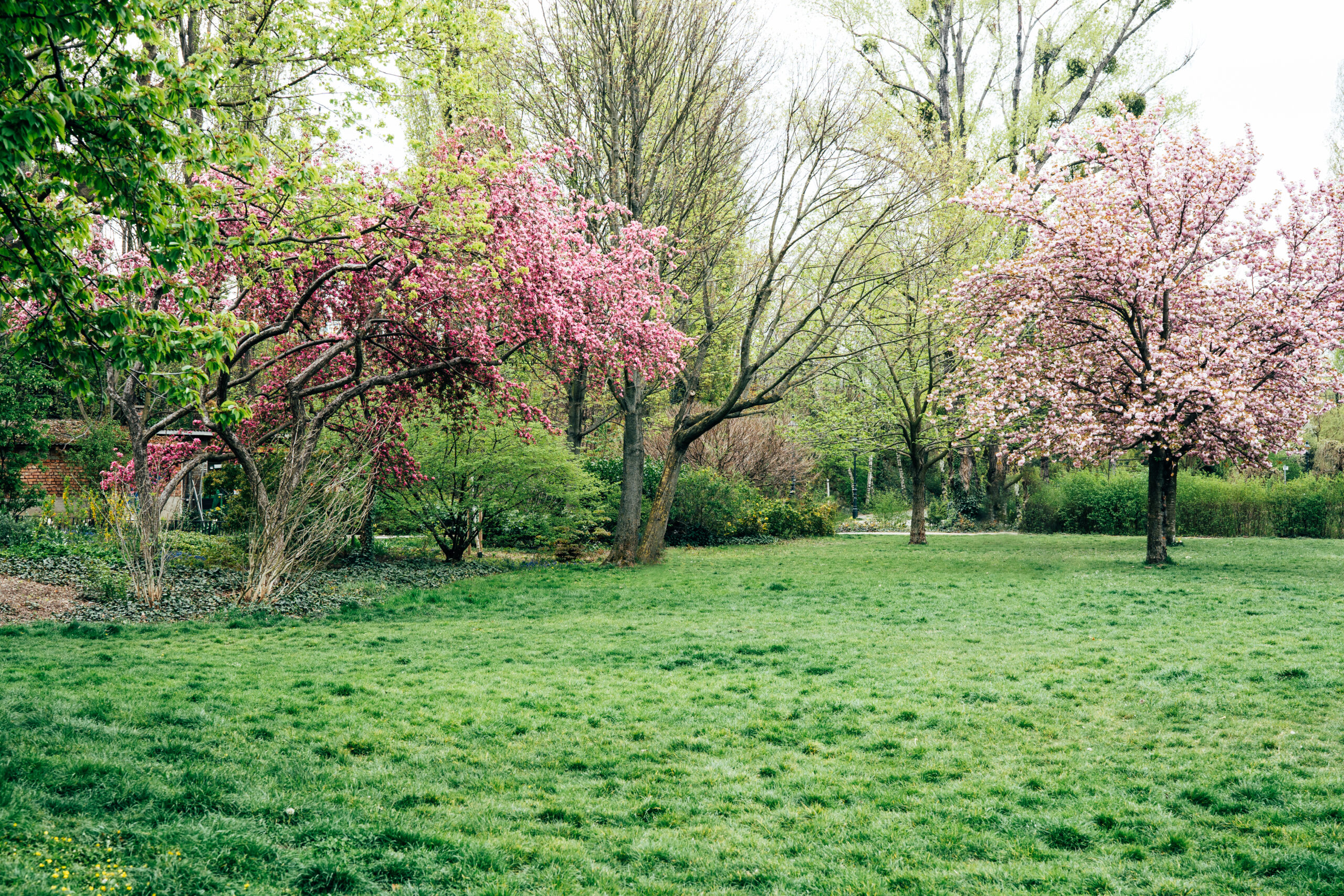
1. Prune & Refresh Your Hardscapes
Why it matters: Winter salt, shifting soils, and debris can dull patios, walkways, and retaining walls.
Expert tip:
- Power-wash pavers and natural stone to remove grime and moss.
- Inspect edging and grout lines—replenish sand or mortar for stability.
- Repair cracks promptly to prevent water infiltration and freeze-thaw damage.
A well-maintained hardscape sets the stage for the season’s new plantings and keeps your landscape functional and safe.
2. Test & Amend Your Soil
Why it matters: Healthy soil translates into vibrant plants and reduced maintenance.
Expert tip:
- Conduct a soil test for pH, nutrient levels, and organic matter (kits available through UW-Madison Extension).
- Incorporate compost or aged manure to boost fertility and improve structure—especially in garden beds.
- Apply a thin layer of topsoil across lawn low spots before seeding to fill depressions and promote uniform growth.
Amending now gives roots the rich, balanced medium they need for all-season success.
3. Upgrade Your Mulch Strategy
Why it matters: Mulch conserves moisture, suppresses weeds, and insulates roots as temperatures fluctuate.
Expert tip:
- Refresh existing beds with 2–3 inches of premium hardwood or cedar mulch—locally sourced for consistent color and texture.
- Use dyed mulch sparingly to highlight focal areas like specimen plantings or foundation beds.
- Keep mulch pulled slightly away from plant crowns and tree trunks to prevent rot.
A fresh mulch layer instantly updates your landscape’s aesthetic while delivering functional benefits.
4. Plan & Plant Early-Bloomers
Why it matters: Early-flowering shrubs and perennials jump-start garden color and pollinator activity.
Expert tip:
- Select native and cold-tolerant varieties such as forsythia, quince, and snowdrops.
- Stagger bloom times by combining early bulbs (tulips, daffodils) with mid-season perennials (daylilies, coneflowers).
- Use layered plantings—groundcovers, mid-height perennials, and tall shrubs—to maintain structure even after blooms fade.
Plant now to enjoy weeks of vibrant color and welcome honeybees, butterflies, and hummingbirds back to your yard.
5. Install Smart Irrigation Controls
Why it matters: Water conservation and precise delivery keep plants healthy without waste.
Expert tip:
- Upgrade to a weather-sensing irrigation system that adjusts schedules based on rainfall and soil moisture.
- Zone your landscape by plant water needs (e.g., turf, shrub beds, container plantings).
- Perform a spring irrigation audit—check for leaks, clogged nozzles, and correct spray patterns.
Efficient irrigation can reduce water bills by up to 30% while ensuring optimal hydration.
6. Embrace Low-Maintenance Plantings
Why it matters: Enjoy more free time and fewer upkeep tasks without sacrificing beauty.
Expert tip:
- Select pollinator-friendly, native perennials like bee balm, butterfly weed, and asters.
- Incorporate ornamental grasses (e.g., maiden grass, switchgrass) for year-round structure and minimal pruning.
- Group plants by maintenance needs—create “no-mow” or “no-weed” zones with heavy groundcovers such as pachysandra or vinca.
A thoughtfully designed, low-maintenance landscape thrives with less effort and fewer chemical inputs.
7. Schedule a Professional Spring Tune-Up
Why it matters: An expert assessment catches issues early, protects your investment, and ensures long-term success.
Expert tip:
- Book a spring consultation with Roberts Nursery & Landscaping to review your entire property—lawn health, tree care needs, drainage concerns, and design updates.
- Plan ahead for harder projects such as retaining wall repairs, major plant installations, or full landscape redesigns.
- Ask about our annual maintenance plans, which include mulching, pruning, fertilization, and seasonal clean-ups.
Our local team knows Mukwonago’s soils, climate challenges, and the plant palettes that work best here.
Conclusion & Next Steps
Spring is the season of renewal—both for nature and for your own outdoor sanctuary. By pruning and refreshing hardscapes, amending soil, optimizing mulch, planting early bloomers, upgrading irrigation, choosing low-maintenance plantings, and scheduling a professional tune-up, you’ll set your landscape up for months of beauty and enjoyment.