
Professional Tree Pruning: Enhancing Health & Curb Appeal in Mukwonago
As a Mukwonago homeowner, your trees are more than just shade providers—they’re living landmarks that frame your property, boost curb appeal, and support local wildlife. Yet without proper maintenance, even the most majestic trees can become hazards, suffer from poor health, or detract from your home’s beauty. In this comprehensive guide, Roberts Nursery & Landscaping shares our professional tree pruning expertise—covering the best seasonal timing, pruning techniques, and safety considerations—to help you keep your landscape safe, healthy, and picture-perfect.
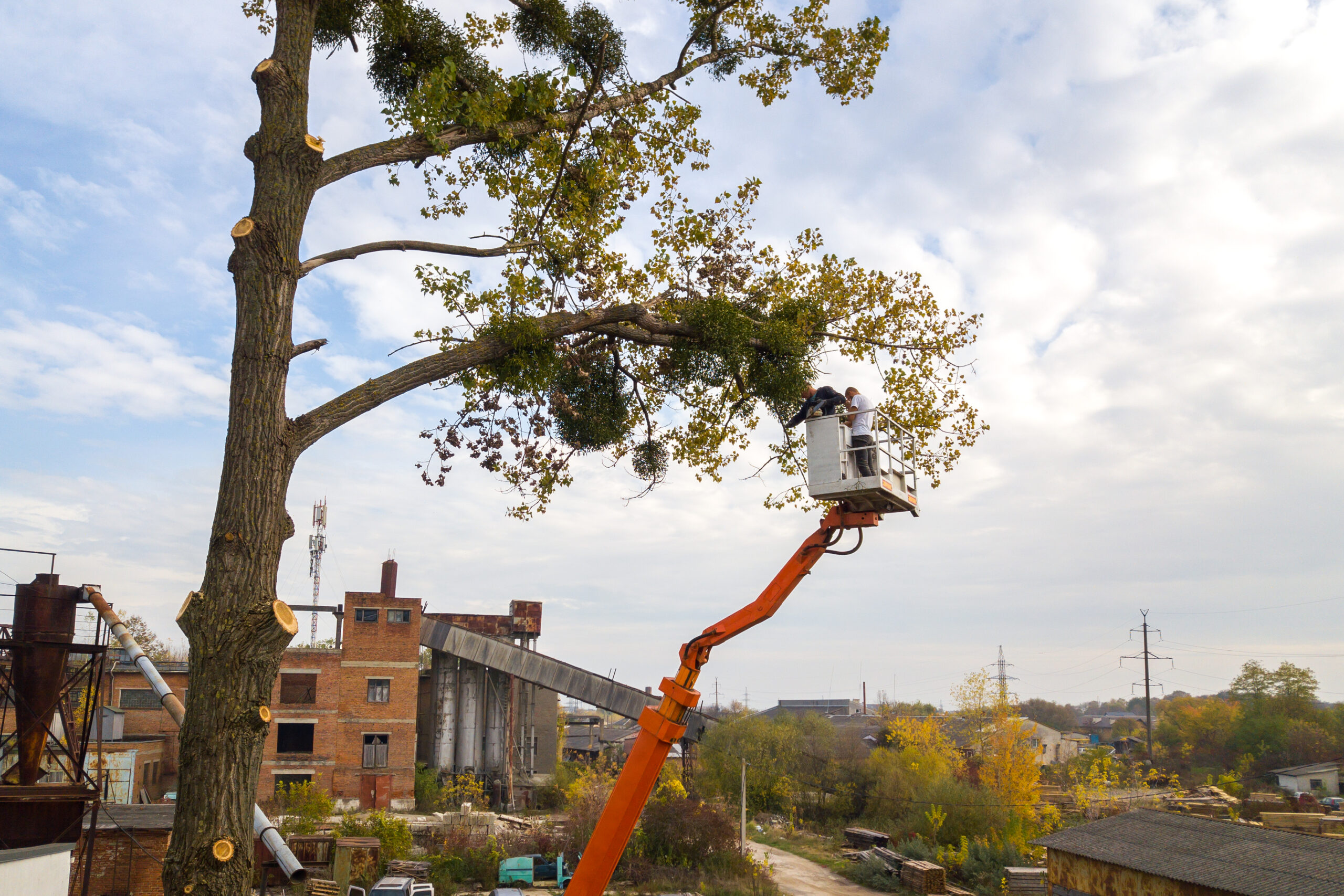
1. Why Regular Tree Pruning Matters
- Promotes Tree Health: Removing dead, diseased, or crossing branches improves air circulation and sunlight penetration, reducing fungal infections and pest infestations.
- Enhances Safety: Over-extended limbs can crack and fall during storms. Pruning mitigates risk to people, vehicles, and structures.
- Boosts Aesthetics: A balanced canopy and clean lines highlight your home’s architecture and underlying landscape design.
- Encourages Fruit & Flower Production: For fruit trees and flowering specimens, proper pruning stimulates stronger bloom and fruit set.
2. Understanding Seasonal Pruning Windows
Choosing the right time of year is crucial. Here in Southeast Wisconsin:
- Late Winter (Dormant Pruning): January through early March is ideal for most deciduous trees. Dormant cuts minimize sap loss, stress, and insect activity.
- Early Spring (Pre-Bud Break): Just before leaf-out, prune to encourage robust spring growth.
- Summer Pruning: Use sparingly for light canopy thinning or to correct structural issues, but avoid heavy cuts that can stress trees during active growth.
- Avoid Fall Pruning: Late‐season cuts can spur tender new growth just before winter, making trees vulnerable to cold damage.
3. Pruning Techniques & Best Practices
A. The Three-Cut Method for Large Limbs
- Undercut (Cut 1): About 12–18 inches from the trunk, cut halfway through the limb’s underside to prevent bark tear.
- Top Cut (Cut 2): A few inches further out, saw through the limb completely, allowing it to fall without ripping bark.
- Final Cut (Cut 3): Just outside the branch collar (the swollen area at the limb’s base), cut back to the collar at a slight angle to promote proper wound closure.
B. Crown Thinning & Cleanup
- Selectively remove no more than 15–20% of live foliage per session to avoid shock.
- Eliminate crossing or rubbing branches to maintain open structure and reduce disease transmission.
- Remove water sprouts and suckers—vigorous vertical shoots that sap energy from the main canopy.
C. Pruning Young Trees (Formative Pruning)
- Establish a central leader (main trunk) and 3–5 well-spaced scaffold branches during the first 3–5 years.
- Maintain proper branch spacing (at least one-third of trunk diameter) to prevent weak unions and future splitting.
4. Tools of the Trade
- Hand Pruners: Bypass pruners for fine twigs up to ¾″ diameter.
- Loppers: Extend reach and leverage for branches ¾″–1½″ thick.
- Pruning Saws: Curved‐blade saws for larger limbs up to 6″ diameter.
- Pole Pruners: Telescoping handles to access high or hard-to-reach limbs safely.
- Safety Gear: Protective eyewear, gloves, hard hat, and—when necessary—climbing harness and ropes.
5. DIY vs. Professional Pruning
While small ornamental trees and shrubs can often be pruned by experienced homeowners, professional tree care is recommended when:
- Branches exceed 6–8 feet overhead or weigh more than you can safely handle.
- Trees are near power lines, structures, or high-traffic zones.
- Complex cabling, bracing, or large‐limb removal is required.
- Disease or pest issues necessitate expert diagnosis and treatment.
Our ISA-certified arborists at Roberts Nursery & Landscaping bring the skills, equipment, and insurance coverage to tackle even the most challenging pruning and removal tasks—ensuring safety and optimal outcomes.
6. Post-Pruning Care & Monitoring
- Inspect wounds periodically: Properly made cuts should callus over within 12–18 months.
- Mulch lightly around the base (but not against the trunk) to conserve moisture and moderate soil temperature.
- Water deeply during dry spells, particularly newly pruned young trees.
- Watch for regrowth: Water sprouts may appear in summer—remove them promptly to maintain shape.
7. Timing Your Next Pruning
Creating a long-term pruning schedule helps maintain tree health and appearance:
- Large shade trees: Every 3–5 years for structural pruning.
- Ornamental flowering trees: Immediately after bloom to avoid cutting off next year’s buds.
- Fruit trees: Late winter or early spring, followed by summer thinning for better sun exposure.
Conclusion & Call to Action
Proper tree pruning in Mukwonago isn’t just cosmetic—it’s an investment in your property’s safety, value, and natural beauty. Whether you need seasonal upkeep, corrective pruning, or emergency tree service, Roberts Nursery & Landscaping is your local expert partner.
Ready to schedule professional pruning or a full tree care assessment?
- Call us today at +1 262 363 4525
- Email RobertsNursery@aol.com
- Book A Session online via our website
Trust our 20+ years of experience and dedication to customer satisfaction to keep your trees—and your landscape—thriving for seasons to come.